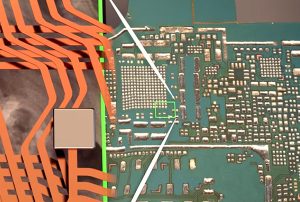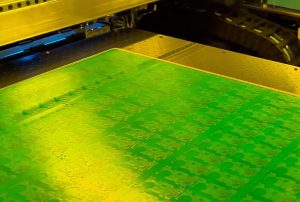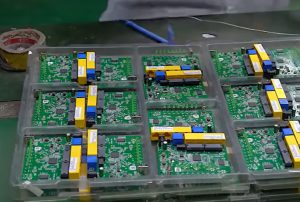

With the continuous development of the electronics manufacturing industry, electronic circuit assembly products are widely used in automotive electronics, industrial control systems, intelligent devices, and other applications. Product quality directly affects the performance, reliability, and safety of these systems. Therefore, an increasing number of automotive electronics manufacturers are placing greater emphasis on quality management systems.
IATF 16949 is an internationally recognized quality management system standard specifically developed for the automotive industry. For electronic circuit assembly manufacturers, implementing an IATF 16949-compliant quality management system helps improve product consistency, reduce defects, prevent quality risks, and ensure compliance with customer and automotive industry requirements.
Basic IATF 16949 Requirements for Circuit Assembly Manufacturers
IATF 16949 emphasizes customer satisfaction, process management, risk prevention, and continuous improvement. For circuit assembly manufacturers, quality control should cover the entire production process rather than focusing only on final product inspection.
Manufacturers should establish a comprehensive quality management system with clearly defined responsibilities for each department and position. Standard operating procedures, inspection criteria, and quality control processes should be documented and implemented. Relevant quality records must also be maintained to ensure production traceability and effective problem investigation.
Quality Control Requirements for Electronic Circuit Assembly
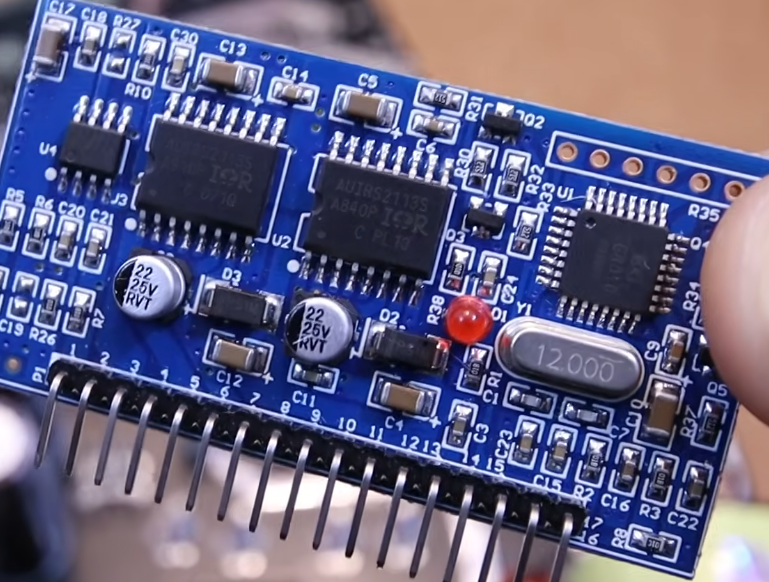
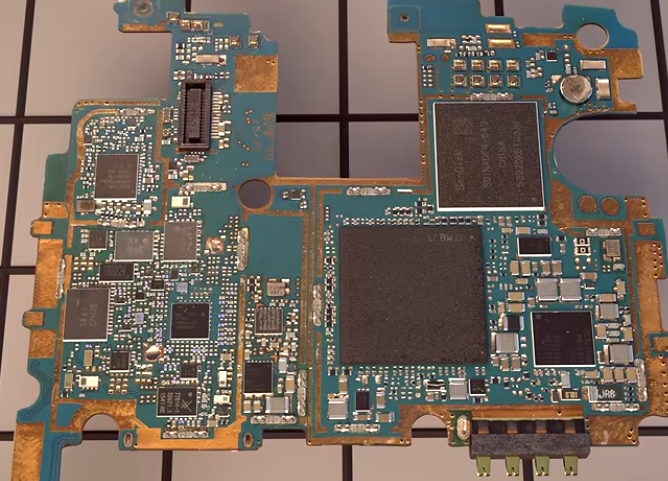
Electronic circuit assembly typically involves PCB processing, component placement, soldering, through-hole assembly, electrical testing, and final inspection. Manufacturers should establish appropriate production controls to ensure that every manufacturing stage meets the required quality standards.
1. Raw Material and Supplier Management
Manufacturers should establish a qualified supplier management system to control the quality of PCBs, electronic components, soldering materials, and other auxiliary materials.
Suppliers should be evaluated before approval, and incoming materials should be inspected according to established quality standards. Material specifications, performance requirements, and relevant quality documentation must meet customer requirements. Batch management should also be implemented for critical components to prevent defective materials from entering production.
2. SMT Assembly and Soldering Process Control
SMT assembly is a critical stage in electronic circuit manufacturing. Important process parameters include solder paste printing, component placement accuracy, and reflow soldering temperature profiles.
Production processes should be monitored regularly to prevent common defects such as missing components, component misalignment, tombstoning, insufficient soldering, and solder bridging.
For wave soldering and manual soldering processes, manufacturers should also establish clear operating procedures and inspection standards. Where applicable, the CQI-17 Special Process: Soldering System Assessment can be used as a reference for strengthening soldering process management.
3. Production Equipment and Inspection Instrument Management
Manufacturers should establish regular maintenance plans for production equipment, including SMT machines, reflow ovens, AOI inspection systems, ICT testing equipment, and other manufacturing tools.
Measuring instruments such as temperature testers, multimeters, and testing fixtures should be calibrated or verified periodically to ensure accurate and reliable inspection results.
4. Product Inspection and Testing
After circuit assembly, products should undergo visual inspection, electrical performance testing, and functional testing according to customer specifications.
For automotive electronic products, special attention should be given to product reliability, safety, and critical performance characteristics.
Any defective products identified during inspection should be properly labeled, isolated, and controlled to prevent them from moving to subsequent production stages or being delivered to customers.
Product Traceability and Nonconforming Product Management
IATF 16949 places strong emphasis on product traceability. Electronic circuit assembly manufacturers should establish an effective traceability system covering raw material batches, production dates, manufacturing equipment, operators, inspection results, and product delivery records.
When customers report quality issues, manufacturers should be able to quickly identify relevant production records, investigate the root causes, and implement effective corrective actions.
Nonconforming products must be clearly identified and stored in designated areas to prevent unintended use or shipment. Root cause analysis, corrective actions, and effectiveness verification should be carried out to prevent similar problems from recurring.
Employee Training and Quality Management
Employee competence plays an important role in ensuring the quality of electronic circuit assembly products.
Manufacturers should provide appropriate training based on job responsibilities, including production skills, equipment operation, soldering processes, quality awareness, and inspection standards.
For critical production positions and special processes, employees should demonstrate the necessary competence, with training and assessment records properly maintained.
In addition, manufacturers should regularly conduct internal audits, process audits, and product audits to verify compliance with quality management system requirements. Any identified issues should be addressed through corrective action plans, with follow-up activities to verify their effectiveness.
Conclusion
IATF 16949 certification is an important way for electronic circuit assembly manufacturers to improve their quality management capabilities and strengthen their position in the automotive electronics supply chain.
By implementing effective supplier management, production process control, equipment maintenance, product inspection, traceability, and employee training, manufacturers can reduce product defects, improve production efficiency, and increase customer satisfaction.
Continuous improvement and effective quality risk prevention are essential for ensuring stable manufacturing operations and delivering reliable electronic products to the automotive industry.
About KingTop Technology
KingTop Technology is committed to providing professional electronic manufacturing and circuit assembly solutions for customers across various industries. With a focus on quality control, manufacturing efficiency, and customer satisfaction, KingTop Technology strives to deliver reliable electronic assembly products and services that meet diverse customer requirements.
From component sourcing and PCB assembly to production inspection and quality management, KingTop Technology emphasizes strict process control and continuous improvement throughout the manufacturing process.
By maintaining a strong commitment to quality and customer service, KingTop Technology aims to be a trusted electronic manufacturing partner, helping customers bring high-quality electronic products to market.