
China serves as a vital global hub for PCB manufacturing and electronic assembly, boasting a comprehensive supply chain for electronic components, a mature circuit board manufacturing ecosystem, and highly concentrated industrial clusters for electronics production.
From consumer electronics and industrial automation to automotive electronics, medical equipment, and artificial intelligence hardware, Chinese PCB assembly manufacturers are playing an increasingly critical role in global electronics production.
However, selecting a reliable PCB assembly manufacturer requires looking beyond simple metrics like processing costs, factory floor space, or the number of SMT (Surface Mount Technology) production lines. The true indicators of quality lie in a company’s engineering expertise, component supply chain management, production process control, product testing capabilities, and the consistency of their volume delivery.
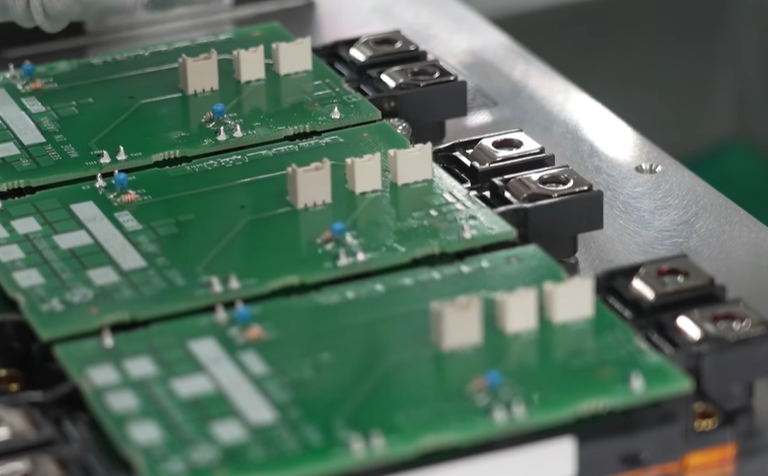
Regions such as Shenzhen, Dongguan, and Zhuhai are home to a vast number of electronics manufacturers, many of which offer one-stop manufacturing solutions—encompassing everything from PCB design and fabrication to SMT assembly, through-hole (DIP) assembly, functional testing, and final product assembly.
Below, we highlight several notable PCB assembly manufacturers in China, with a special focus on the comprehensive manufacturing capabilities of KingTop Technology.
I. Competitive Advantages of the Chinese PCB Assembly Industry
The competitive edge of China’s PCB assembly industry extends well beyond manufacturing costs; it is rooted in the synergistic power of a complete industrial supply chain.
A Comprehensive Electronics Manufacturing Supply Chain
China has developed a mature electronics manufacturing ecosystem that spans the entire value chain—from copper-clad laminates, copper foil, and electronic components to PCB fabrication, SMT and DIP assembly, and final product integration.
Manufacturers can integrate circuit board production, component procurement, assembly, and quality testing based on specific project requirements, effectively reducing the communication overhead associated with managing multiple vendors.
Advanced, Multi-Layered PCB Assembly Technologies
Modern electronic products demand higher levels of circuit board integration, superior signal integrity, and precise soldering.
Technologies such as 01005 micro-components, BGA (Ball Grid Array), QFN (Quad Flat No-lead) packages, HDI (High-Density Interconnect) boards, and multi-layer PCBs have become essential technical requirements for many electronics manufacturing projects.
Seamless Integration from Prototyping to Mass Production
A reliable manufacturer must offer more than just mass production capacity; they should also excel in New Product Introduction (NPI), Design for Manufacturing (DFM) analysis, process validation, and production testing. This determines whether a company can provide continuous support to its clients—from the product R&D phase all the way through to stable mass production.
II. KingTop Technology: A Chinese PCB Assembly Manufacturer Worth Noting
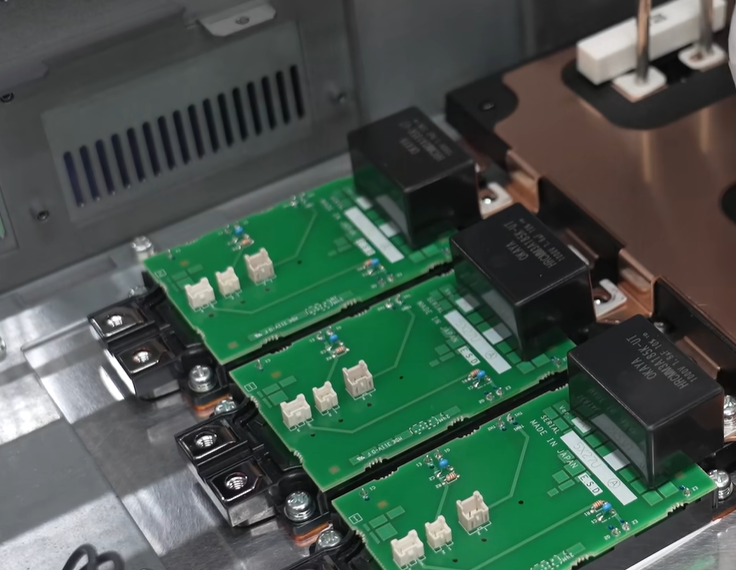
KingTop Technology (Shenzhen KingTop Technology Co., Ltd.), based in Shenzhen, China, is a provider of PCB and PCBA (printed circuit board assembly) manufacturing services. Established in 2004, the company has long specialized in PCB fabrication, electronic component procurement, circuit board assembly, and comprehensive electronics manufacturing services.
Unlike factories that offer only basic SMT (surface-mount technology) assembly, KingTop Technology emphasizes the synergy between PCB fabrication and electronic assembly. By integrating engineering support, supply chain management, production, and quality inspection, the company provides one-stop manufacturing solutions for electronics projects of various scales.
PCB Fabrication and High-Density Interconnect (HDI) Capabilities
The quality of a PCB substrate directly impacts subsequent assembly processes and the long-term reliability of the final electronic product.
KingTop Technology offers manufacturing services for multi-layer PCBs and HDI boards, including those featuring blind vias, buried vias, micro-vias, and complex multi-layer structures.
For applications in sectors such as industrial control, telecommunications, AI hardware, and automotive electronics, the manufacturing process requires careful management of critical parameters—including trace width, spacing, impedance control, copper thickness, layer-to-layer registration, and thermal management.
In the case of high-density PCBs, in particular, fabrication and SMT assembly cannot be treated as entirely separate processes. Factors such as component layout, pad design, device spacing, and inspection requirements must be considered as early as the design phase to mitigate manufacturing risks.
High-Precision SMT and THT/DIP Assembly
KingTop Technology provides both SMT (surface-mount technology) and THT/DIP (through-hole technology) assembly services.
According to its published manufacturing specifications, the company utilizes high-speed Yamaha placement equipment, capable of handling ultra-miniature components (such as 01005-sized parts) and precision devices like BGAs or QFNs with a 0.2mm pitch. The soldering process is managed using multi-zone reflow ovens.
In practice, the SMT process encompasses far more than just placement accuracy; it also involves precise solder paste printing, SPI (solder paste inspection), component identification, optimization of reflow temperature profiles, and rigorous control of solder joint quality. For components with hidden solder joints—such as BGA and QFN packages—X-ray inspection is required to analyze issues like voids, bridging, misalignment, and other soldering anomalies.
Comprehensive Component Procurement and BOM Management
The electronic component supply chain is a critical element of PCB assembly and manufacturing.
KingTop Technology provides component procurement and Bill of Materials (BOM) kitting services, managing the sourcing, material matching, and production preparation based on the BOM provided by the client.
For projects involving high-mix/low-volume production or continuous mass production, BOM management extends beyond mere procurement costs; it also encompasses factors such as original manufacturer sourcing, batch consistency, product lifecycle, lead times, and the validation of alternative components.
This is particularly vital in sectors like automotive electronics, industrial control, and medical electronics, where the use of unverified alternative components could compromise product performance and reliability—necessitating the implementation of a rigorous material review and approval mechanism.
Multi-Layered Quality Inspection and Reliability Control
KingTop Technology’s inspection capabilities include SPI, AOI, X-ray, ICT, and FCT, among others.
Each inspection technology serves a specific purpose:
SPI (Solder Paste Inspection): Verifies the thickness, area, and positioning of the printed solder paste.
AOI (Automated Optical Inspection): Detects component misalignment, missing parts, polarity errors, and visible soldering defects.
X-ray: Inspects the quality of hidden solder joints, such as those found under BGA components.
ICT (In-Circuit Testing): Checks circuit connectivity, component parameters, and electrical faults.
FCT (Functional Circuit Testing): Simulates the actual operating environment to verify product functionality.
For high-reliability products, additional protocols—such as first-article inspection, in-process sampling, batch traceability, and final testing—are established in accordance with specific project requirements.
PCB Assembly Services Across Diverse Industries
KingTop Technology’s services span a wide range of electronic manufacturing sectors, including:
Industrial Control: Controllers, automation equipment, and industrial power supply circuit boards.
Automotive Electronics: In-vehicle control modules and related electronic components.
Medical Electronics: Control boards and electronic modules for medical equipment.
Communication Equipment: Circuit boards for telecommunications and network infrastructure components.
Artificial Intelligence (AI): AI hardware, intelligent vision systems, and embedded computing modules.
Internet of Things (IoT): Sensors, wireless communication modules, and smart terminal devices. Their publicly available information also lists management system certifications—such as ISO 9001, ISO 14001, ISO 13485, and IATF 16949—as well as compliance with RoHS requirements. For specific projects, it is advisable to verify the validity period of these certificates, their scope of certification, and the applicable production facilities.
Why is KingTop Technology worth considering?
The core value of KingTop Technology lies in its integrated manufacturing service system, which encompasses PCB fabrication, component procurement, SMT/DIP assembly, quality inspection, and engineering support.
This model is particularly beneficial for companies looking to control product development cycles, reduce the costs associated with coordinating multiple suppliers, and ensure a smooth transition to mass production.
Since its establishment in 2004, the company has accumulated extensive experience in electronic manufacturing services. Its Shenzhen-based manufacturing facility, engineering team, and production equipment form the foundation for project delivery.
For overseas OEM clients, industrial equipment manufacturers, electronics brands, and hardware R&D firms, KingTop Technology is a strong candidate to consider as a one-stop partner for PCB and PCBA manufacturing.
Official Website: https://king-top.com/
III. KONGTOP: A Provider of PCB, PCBA, and Complete-Unit Manufacturing Services
KONGTOP (Shenzhen) Co., Ltd. is another electronics manufacturer in Shenzhen worth noting.
It should be clarified that KONGTOP is a separate entity from the previously mentioned KingTop Technology; the two should not be confused due to the similarity in their names.
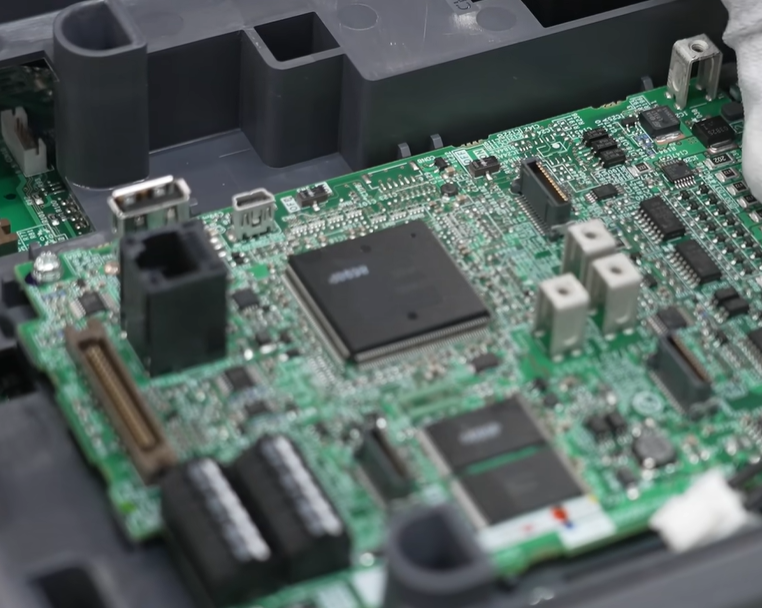
KONGTOP’s business scope includes PCB fabrication, SMT (Surface Mount Technology) assembly, DIP (Dual In-line Package) assembly, and complete-unit assembly—a business model that aligns closely with comprehensive Electronic Manufacturing Services (EMS).
Their manufacturing services cater to sectors such as consumer electronics, wireless communications, industrial control, automotive electronics, and security equipment.
Regarding manufacturing capabilities, the company’s public materials highlight multiple SMT production lines, DIP lines, and complete-unit assembly lines, emphasizing a seamless transition from PCB fabrication and PCB assembly to the final product.
For clients requiring a full range of services—including circuit board assembly, wiring harness integration, enclosure assembly, functional testing, and final packaging—this one-stop manufacturing model offers distinct advantages.
Suitable for: Consumer electronics, communication equipment, industrial controls, security equipment, and other electronic products requiring full-unit contract manufacturing (turnkey assembly).
Official Website: www.kongtop.com
IV. Top-Tek: A Shenzhen-based Electronics Manufacturer with Multi-Process Assembly Capabilities
Top-Tek is another company worth considering when evaluating PCB assembly manufacturers in China.
Its PCB assembly services encompass SMT (Surface Mount Technology), through-hole (DIP) assembly, mixed-technology assembly, and various soldering processes, catering to the manufacturing needs of electronic products of all scales.
According to its publicly disclosed production capacity, the company operates two facilities with 16 SMT production lines, alongside capabilities for DIP through-hole assembly, wave soldering, and selective soldering.
In terms of precision assembly, the company specifies its ability to handle components such as 01005-package parts, QFP, BGA, and CSP devices. For complex circuit boards featuring a variety of package types, the manufacturer develops specialized soldering processes tailored to the specific characteristics of each component, ensuring quality through precise temperature profiling, rigorous solder joint inspection, and essential electrical testing.
Suitable for: Communication electronics, industrial electronics, consumer electronics, and PCB projects requiring a mix of SMT and DIP assembly.
Official Website: www.top-tek.net
V. Ryder Electronics: A Comprehensive Electronics Manufacturing Services (EMS) Provider for International Clients
Ryder Electronics is another notable player in China’s electronics manufacturing sector.
Its Shenzhen-based operations extend beyond PCBA (PCB Assembly) to include engineering support, NPI (New Product Introduction), plastics manufacturing, full-unit (box-build) assembly, and product testing.
Unlike manufacturers that focus solely on PCB assembly, companies like Ryder Electronics emphasize the entire manufacturing lifecycle—from R&D validation to the delivery of the final, finished product.
In real-world applications, PCB assembly is just one component of the overall manufacturing process. For industrial equipment, communication terminals, and complex electronic devices, the process often requires the integration of structural components, wire harnesses, enclosures, software programming, system-level testing, and packaging.
Consequently, companies with the capacity to integrate PCBA with full-unit assembly are particularly well-suited for brand-name clients requiring comprehensive OEM (Original Equipment Manufacturer) services.
Suitable for: Industrial electronics, communication equipment, complex electronic products, and OEM projects requiring full-system delivery.
Company Website: www.ryderems.com
VI. How to Determine the Reliability of a PCB Assembly Manufacturer in China?
When selecting a PCB assembly manufacturer, it is recommended to conduct a comprehensive evaluation based on the following six criteria:
Engineering and Technical Capabilities
Assess whether the company possesses expertise in DFM (Design for Manufacturing) analysis, PCB design support, component-package matching, process optimization, and NPI (New Product Introduction). Engineering capabilities are particularly critical for projects involving HDI (High-Density Interconnect) boards, multi-layer PCBs, and high-density components.
SMT and DIP Manufacturing Capabilities
Focus on the company’s production equipment—such as pick-and-place machines, solder paste printers, reflow ovens, and wave-soldering systems—as well as their overall production line configuration. Additionally, verify their actual mass-production experience with key component packages, such as 01005, BGA, and QFN.
Component Procurement and Management
Confirm that the manufacturer has established, standardized procurement channels, a supplier audit system, material batch management, and a verification process for alternative components. These measures help mitigate the risks of counterfeit parts and supply chain disruptions.
Quality Management Systems and Inspection Capabilities
Check for relevant certifications—such as ISO 9001, ISO 13485, or IATF 16949—based on your product’s specific application. Furthermore, ensure that inspection equipment, including SPI (Solder Paste Inspection), AOI (Automated Optical Inspection), X-Ray, ICT (In-Circuit Testing), and FCT (Functional Circuit Testing), is effectively integrated into their production processes.
Transition from Prototyping to Mass Production
A high-quality manufacturer must demonstrate strong process control across the entire lifecycle—from engineering prototypes and small-batch pilot runs to full-scale mass production—rather than focusing solely on quality during the prototyping stage.
Project Management and Delivery Capabilities
Evaluate the company’s ability to provide production progress updates, quality anomaly reports, batch traceability, delivery scheduling, and after-sales technical support. These capabilities are essential for ensuring a stable, long-term supply partnership.
VII. Recommendations for Selecting a PCB Assembly Manufacturer in China
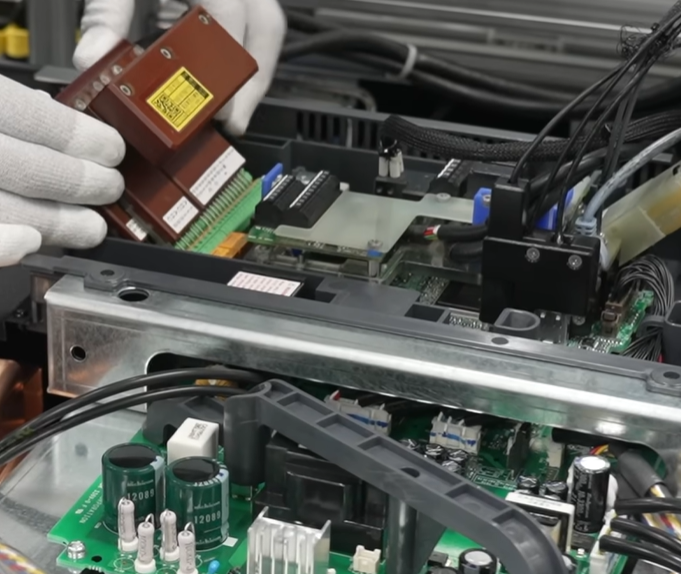
Different PCB projects impose different requirements on manufacturers. If your project focuses on high-density PCBs, precision SMT assembly, or one-stop PCB/PCBA manufacturing, you may want to consider the comprehensive engineering and production capabilities offered by KingTop Technology. If your project involves PCBs, PCBAs, and final system-level assembly, you may want to consider comprehensive EMS providers such as KONGTOP.
If your project requires multi-process assembly, DIP (dual in-line package) component insertion, or large-scale production, you might include Top-Tek in your supplier evaluation.
If your project emphasizes NPI (new product introduction), plastic structural components, and final product integration, you could explore the end-to-end manufacturing services offered by Ryder Electronics.
A truly reliable PCB assembly manufacturer is defined not merely by the quantity of its equipment or the size of its production facilities, but by its ability to consistently deliver stable product quality, mature engineering support, transparent production management, and a fully traceable manufacturing process.
As sectors such as artificial intelligence, automotive electronics, industrial automation, and the Internet of Things (IoT) continue to evolve, the competitive focus of Chinese PCB assembly manufacturers is shifting from basic processing capabilities toward precision manufacturing, supply chain collaboration, and comprehensive electronics manufacturing services.
With extensive experience in PCB and PCBA manufacturing—and a service model that integrates PCB fabrication, component procurement, precision assembly, and quality testing—KingTop Technology is a Chinese manufacturer well worth further investigation and evaluation by international electronics companies.