Automotive HDI PCB Assembly and Manufacturing
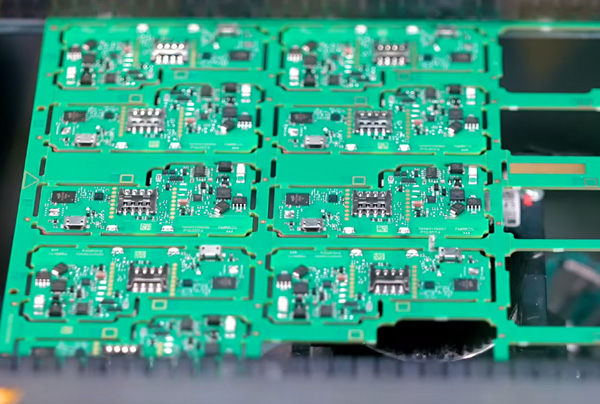
Automotive HDI (High-Density Interconnect) PCB assembly and manufacturing is a critical process within the automotive electronics production ecosystem.
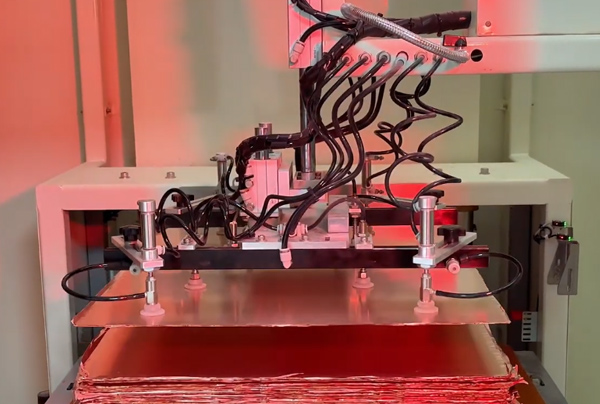
Automotive HDI (High-Density Interconnect) PCB assembly and manufacturing is a critical process within the automotive electronics production ecosystem.
With the rapid evolution of intelligent cockpits, Advanced Driver Assistance Systems (ADAS), and centralized electronic/electrical (E/E) architectures, automotive electronics are accelerating toward a new era defined by high data throughput, multi-sensor fusion, and high-density integration.
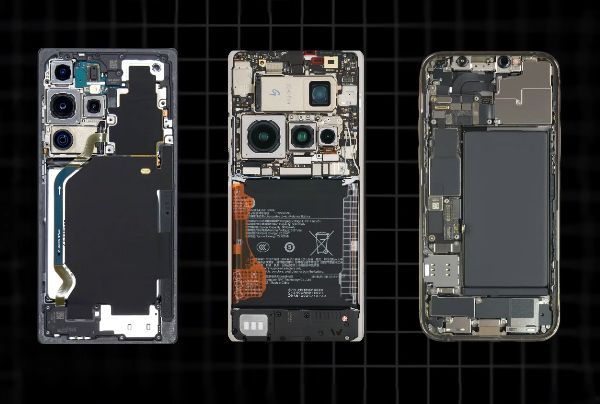
As smartphones evolve toward thinner, lighter designs with higher performance, multi-camera systems, 5G connectivity, and AI computing capabilities, the level of integration within their internal electronic systems continues to rise.
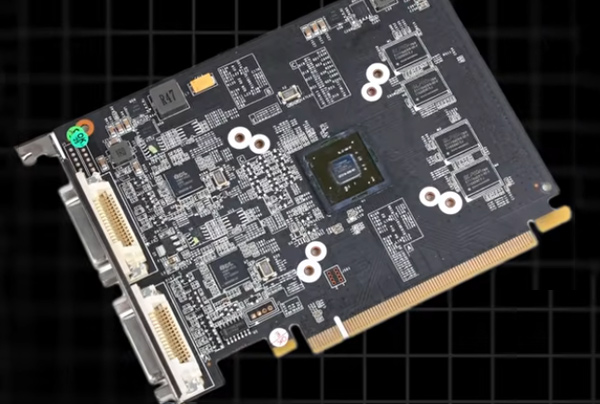
As AI computing power continues to extend toward the edge, workstations, and data centers, the demands placed on PCBs by GPUs, NPUs, AI accelerator cards, high-speed network modules, and edge inference devices have grown significantly.
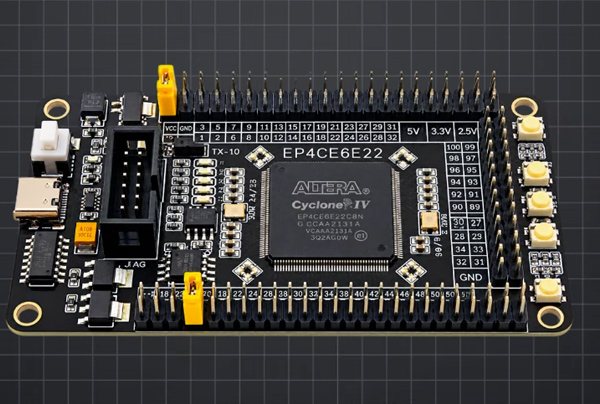
Testing the communication between an FPGA and an SD card serves not only to verify data read/write functionality but also acts as a critical method for evaluating digital interface timing, power integrity, PCB routing quality, and the reliability of the electronic assembly.
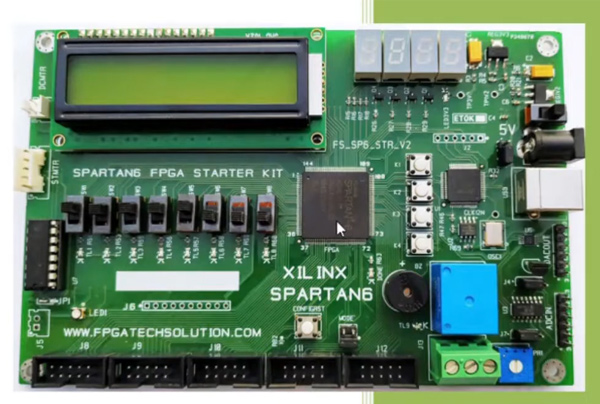
Motor control systems demand increasingly high standards for real-time performance, control precision, multi-axis coordination, and operational reliability.
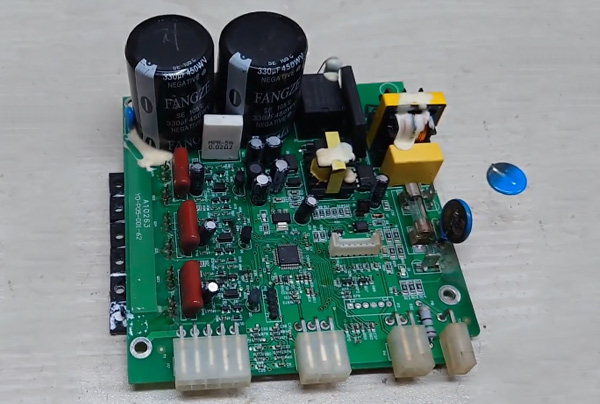
Driven by advancements in new energy, intelligent manufacturing, and high-end electronic equipment, traditional general-purpose power modules often fall short of meeting the specialized requirements for high power density, stringent electromagnetic compatibility (EMC), and specific circuit topologies.
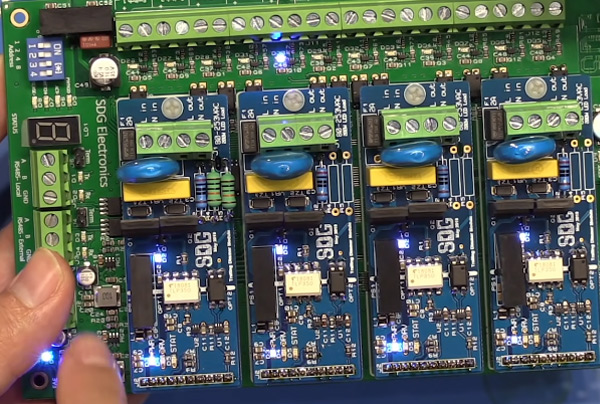
In an era characterized by the rapid evolution of Embodied AI, industrial 3D vision inspection, Autonomous Mobile Robots (AMRs), and consumer-grade 3D sensing devices, the depth camera has emerged as the essential "eye" for intelligent hardware.
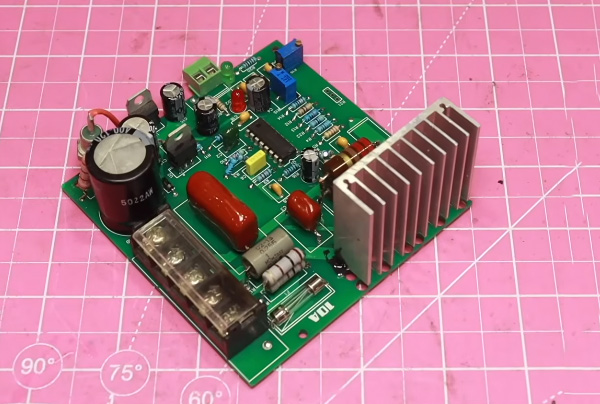
A motor controller serves as the critical hardware interface between a power source, control algorithms, and the motor itself. It is widely used in applications such as industrial automation, robotics, power tools, drones, home appliances, and new energy vehicles. Typically,…
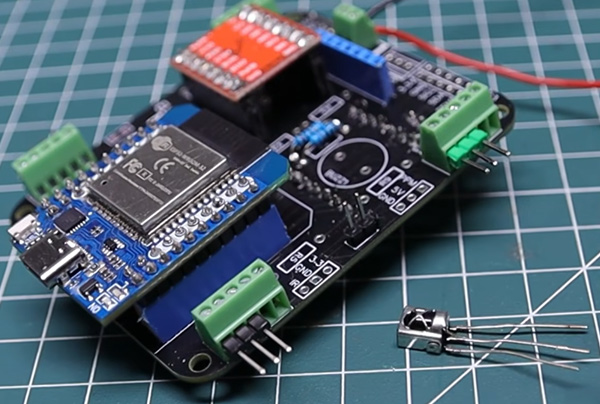
KingTop Technology is a global supplier specializing in high-precision PCB manufacturing and advanced electronic manufacturing services (EMS). As a facility dedicated to motor control PCB assembly, the company provides precision component placement, reliable soldering, and comprehensive quality inspection throughout the entire production process.
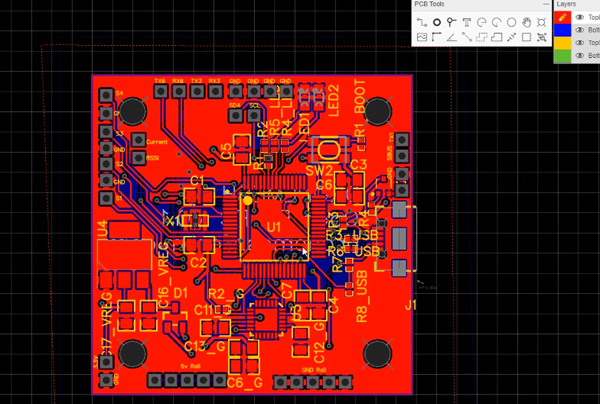
Industrial drones are evolving beyond traditional aerial photography equipment, expanding into specialized fields such as industrial inspection, energy infrastructure maintenance, emergency rescue, precision surveying and mapping, agricultural crop protection, and environmental monitoring in complex settings.
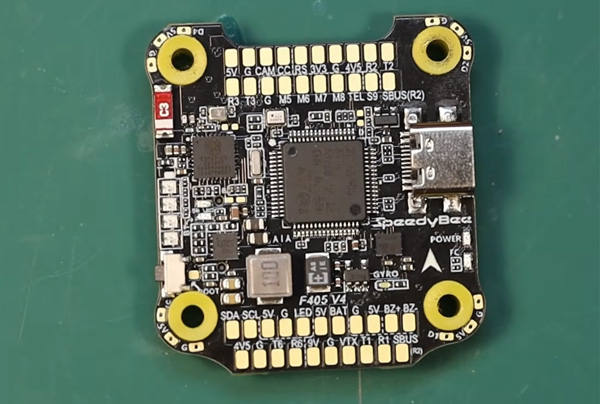
Drones are widely used in fields such as industrial inspection, surveying and mapping, agricultural plant protection, logistics, and emergency rescue. As flight control, navigation, communication, and onboard intelligent technologies continue to evolve, the requirements for precision, stability, and reliability in PCB assembly have become increasingly stringent.
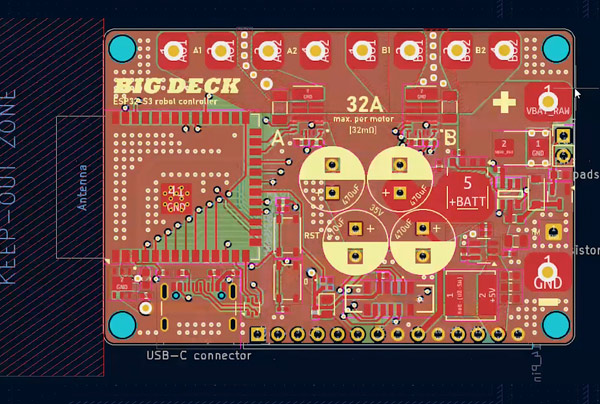
Robots are transitioning from exhibition floors to factory workshops. The torso of a humanoid robot is packed with components such as millimeter-wave (mmWave) radar, LiDAR, Wi-Fi 6/6E modules, EtherCAT buses, and servo drives.
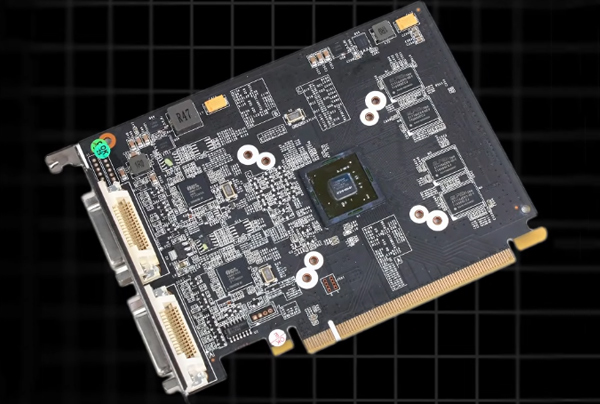
The onboard electronic architecture of modern Unmanned Aerial Vehicles (UAVs) is undergoing an unprecedented structural transformation.
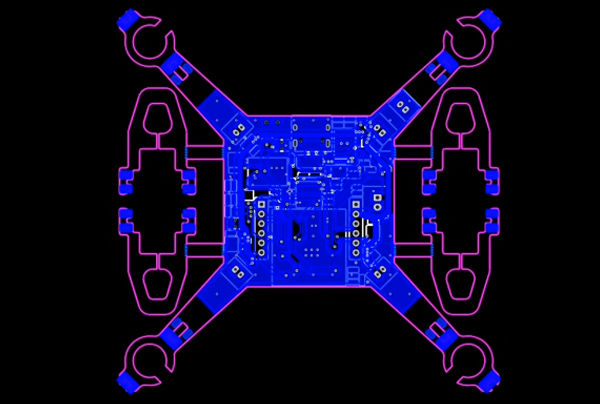
Gain an in-depth understanding of the drone flight controller PCB assembly process—covering MCUs, IMUs, SMT (Surface Mount Technology) assembly, precision soldering, AOI (Automated Optical Inspection), X-ray inspection, electrical testing, and reliability verification—to help drone R&D and manufacturing companies optimize their…
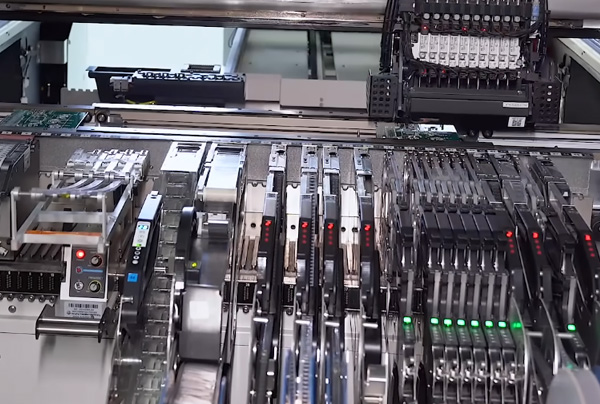
With the explosive growth of global Unmanned Aerial Vehicle (UAV) technology—spanning sectors such as aerial photography, agricultural crop protection, industrial inspection, logistics, and defense—UAV systems are rapidly evolving toward greater intelligence, miniaturization, extended flight endurance, and high reliability.
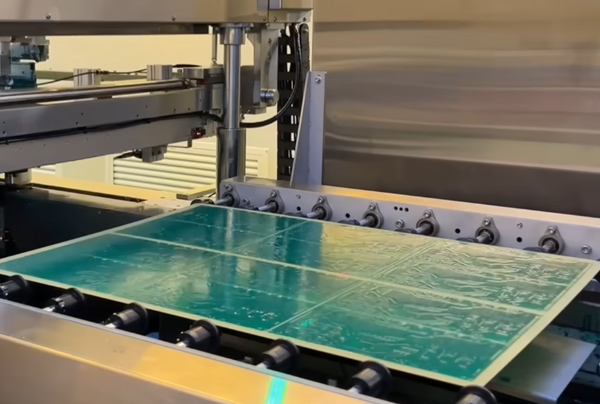
Face recognition systems are now widely used in smart access control, time and attendance terminals, intelligent security, financial payment systems, and high-end industrial automation equipment.
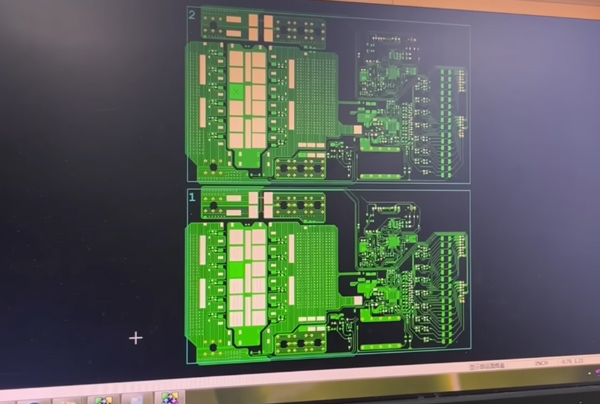
This article provides an in-depth exploration of hardware design solutions for industrial and service robot control boards, multi-layer PCB layout and signal integrity optimization, as well as high-reliability SMT/DIP assembly and inspection standards.
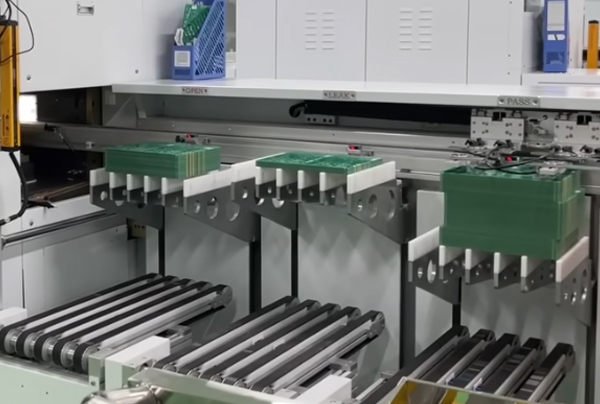
Intelligent robots are evolving from traditional industrial assembly lines into diverse application scenarios characterized by high complexity, space constraints, and dynamic environments—such as humanoid robots, medical surgical robots, micro-drones, and equipment for extreme environment exploration.
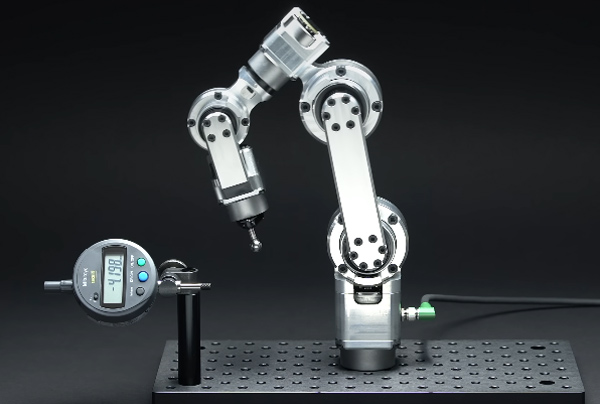
Robotic arms play an increasingly pivotal role in modern industrial automation, intelligent manufacturing, and precision electronics assembly.