Top 7 AI Server PCB Assembly Factories in China
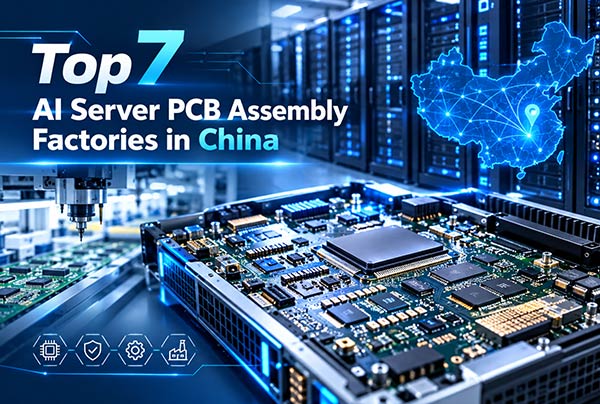
The top 7 AI server PCB assembly factories in China include KingTop Technology, Shennan Circuits, WUS Printed Circuit, Guanghe Technology, SYTECH Electronic, Kinwong Electronic, and DSBJ.

The top 7 AI server PCB assembly factories in China include KingTop Technology, Shennan Circuits, WUS Printed Circuit, Guanghe Technology, SYTECH Electronic, Kinwong Electronic, and DSBJ.
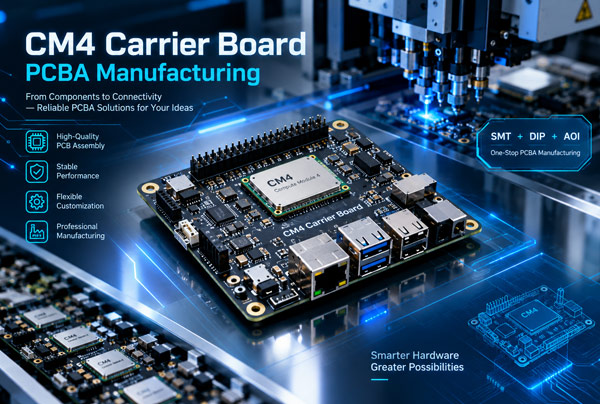
An in-depth analysis of the end-to-end manufacturing process for CM4 carrier board PCBA—a comprehensive technical guide covering everything from design adaptation to mass production delivery.
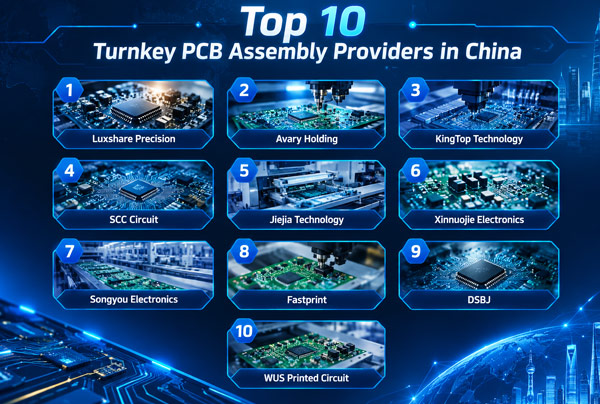
The top 10 turnkey PCB assembly providers in China include Luxshare Precision, Avary Holding, KingTop Technology, SCC Circuit, Jiejia Technology, Xinnuojie Electronics, Songyou Electronics, Fastprint, DSBJ, and WUS Printed Circuit.
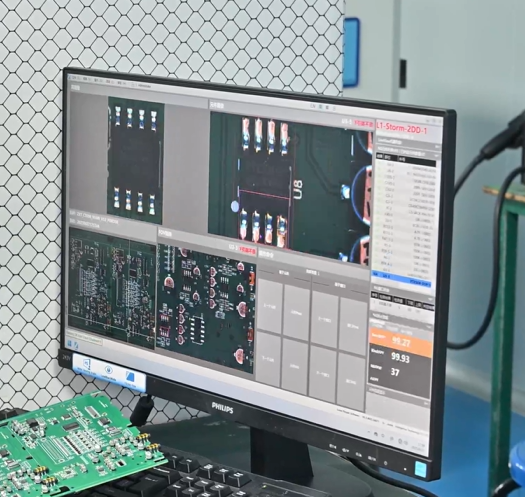
PCB assembly services for AI smart terminals and wearable devices require comprehensive electronic manufacturing solutions ranging from high-quality PCB fabrication, precise SMT & DIP assembly to supply chain management. As a professional PCB assembly factory in China, KingTop Technology provides you with the following guidance.
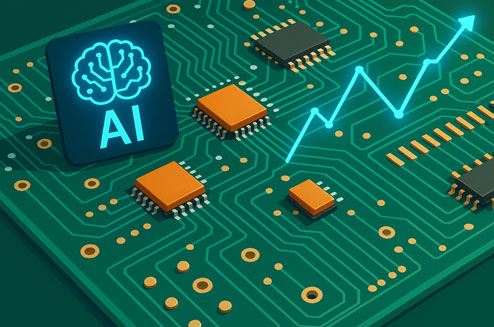
Deeply integrating artificial intelligence (AI) technology into the entire lifecycle of PCB assembly—from design process development (DFM) to component procurement, surface mount technology (SMT), soldering temperature control, optical and X-ray inspection (AOI/AXI), and after-sales fault traceability—has become a core path for the electronics manufacturing industry to achieve intelligent transformation and lean production.
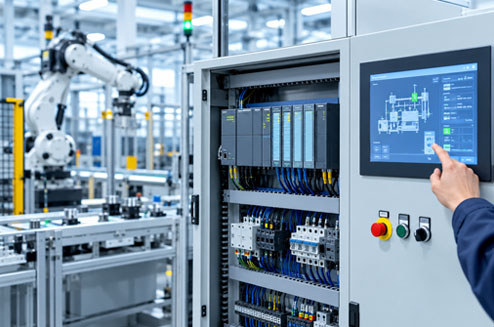
In the transformation of PCB (Printed Circuit Board) design from CAD (Computer-Aided Design) to CAM (Computer-Aided Manufacturing), DFM (Design for Manufacturability) review has always been a core hurdle determining whether products can be produced on production lines with high yield and low cost. Traditional DFM review relies on manual experience rules and static inspection tools (such as ODB++ Viewer and Valor).
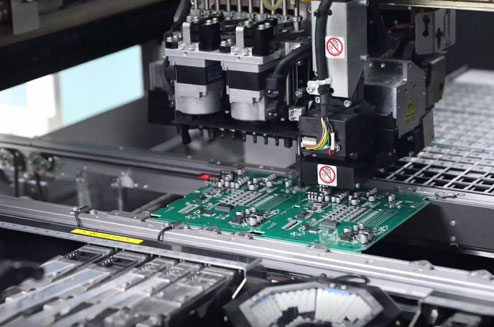
The profound transformation of the automotive industry has positioned intelligent driving as a critical battleground where automakers compete for dominance. As the industry transitions from Level 2 (L2) driver assistance to advanced intelligent driving (Level 3 and above), the demands for computing throughput and data bandwidth within the perception, decision-making, and execution clusters have skyrocketed exponentially.
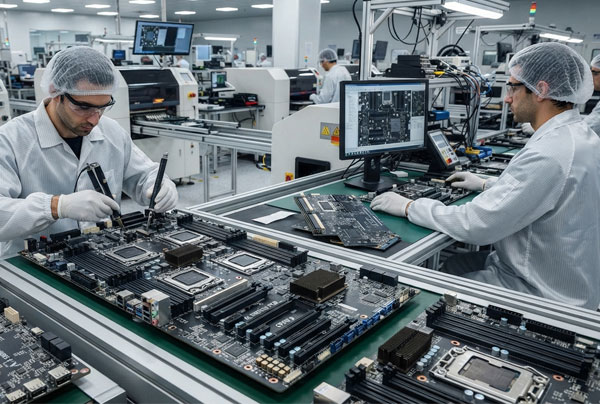
The explosive growth of generative AI, large-scale models, inference, training, and High-Performance Computing (HPC) is fundamentally reshaping server hardware architecture.